
How independent bookstores help travellers discover a place—and give communities more reasons to thrive.
A good independent bookshop rarely stays contained within four walls. It spills onto the main street, sending visitors toward the café next door, the local gallery around the corner, or the restaurant a bookseller insists they cannot miss.
For travellers, an indie bookshop can be an introduction to a place: part cultural compass, part community gathering space, and part unofficial visitor centre. Its shelves reveal local stories and interests; its events bring residents and visitors together; and the people behind the counter often know exactly where to find the best lunch, walking trail, or reason to return in another season.
Increasingly, bookshops are also becoming destinations in their own right. Readers plan road trips around beloved shops, add literary stops to weekend itineraries, and follow booksellers online long before arriving in town. Once there, they tend to linger—and that time can ripple outward to neighbouring cafés, restaurants, accommodations, galleries, and other independent businesses.

For tourism organizations, municipalities, and economic development teams, that makes the local bookshop much more than a retailer. It can help create the lively, walkable downtown visitors are looking for, strengthen a community’s sense of place, and turn a simple stop into a longer stay.
We spoke with Kayla Calder, Marketing & Communications Lead at the Canadian Independent Booksellers Association, about the role bookshops play as cultural anchors, destination ambassadors, and drivers of local connection—and why some travellers will happily plan an entire road trip around a bookstore cat.
[Wander North] Independent bookshops are often described as “cultural anchors.” What does that role look like in practical terms, particularly in Ontario’s smaller towns and communities?
[Kayla] One of the first things I do when I travel is visit the local bookstore. Within 10 minutes spent, I usually have a better sense of the community than I did when I walked in. It’s so easy to strike up a conversation with indie booksellers or other shoppers, to ask what’s happening in town or get the inside scoop on what the community is like and other places to explore. And I know I’m not the only person who does this.
And they are much more than that for the people who actually live in those communities. They host book clubs, author events, kids’ storytimes, writing groups, and fundraisers. They support local schools and charities. They champion local authors and artists. They play the role of the elusive “third space” outside of home and work, where people gather and where community happens.
How can an independent bookshop influence someone’s decision to visit a destination, or encourage a traveller who is already there to stay longer and explore more?

I think bookstores have become destinations in their own right. There are absolutely people who will plan a stop in a town, go on a day trip, or plan a whole vacation because they’ve heard about a particular bookstore or followed them online.
Once you’re there, bookstores naturally encourage you to linger. You browse. You chat with staff. You ask where to get lunch or what else you should see while you’re in town. And because indie bookstores are so connected to their communities, they’re often some of the best ambassadors a place could ask for.
They also make you want to come back! I took a special trip to Prince Edward County to visit Books & Company last year, and I’m planning another road trip later this summer primarily to visit Pushkin, the resident bookstore cat that I fell in love with last time I was there (I am leaving a lot of room in the car for books, of course).
What kinds of economic ripple effects can a thriving bookshop create for nearby cafés, restaurants, accommodations, galleries, and other small/independent businesses?
If you’re making a trip to visit a bookstore, chances are you’re also grabbing coffee, having lunch, wandering into neighbouring shops, or staying overnight—especially if you’ve travelled a longer distance.

Bookstores also frequently collaborate with the businesses around them. They’ll co-host community events, partner on festivals, or organize events that encourage people to spend time exploring the neighbourhood.
I don’t have Canada-wide data that quantifies those economic impacts (yet!), so I wouldn’t want to put a number on it. But we see those partnerships happening every day in communities across the country.
What makes indie bookshops especially well suited to helping visitors understand the character and/or identity of a place?
Unlike chains, indies are not beholden to an overarching curatorial strategy, approach to décor, etc. Every indie bookstore reflects the people who built it and the community it serves. You can actually learn a lot about a place just by looking at what’s on the shelves, what books are displayed face-out, and what events are coming up.

I think that’s one of the reasons people love visiting them when they travel. We’re in it for the books, sure, but we also learn something about the town/city/community itself.
Are you seeing more bookstores intentionally position themselves as destinations (maybe through events, local partnerships, or curated regional titles?)
One hundred percent! Many bookstores have become much more intentional about creating experiences rather than simply selling books. That might mean partnering with local cafés or breweries, hosting festivals and author events, creating displays that highlight regional history or local writers, or simply becoming known for a particular area of expertise.
I also think social media has played a big role. People love discovering beautiful bookstores online, and that’s encouraged many stores to think about how they tell their own story and showcase what makes them unique.
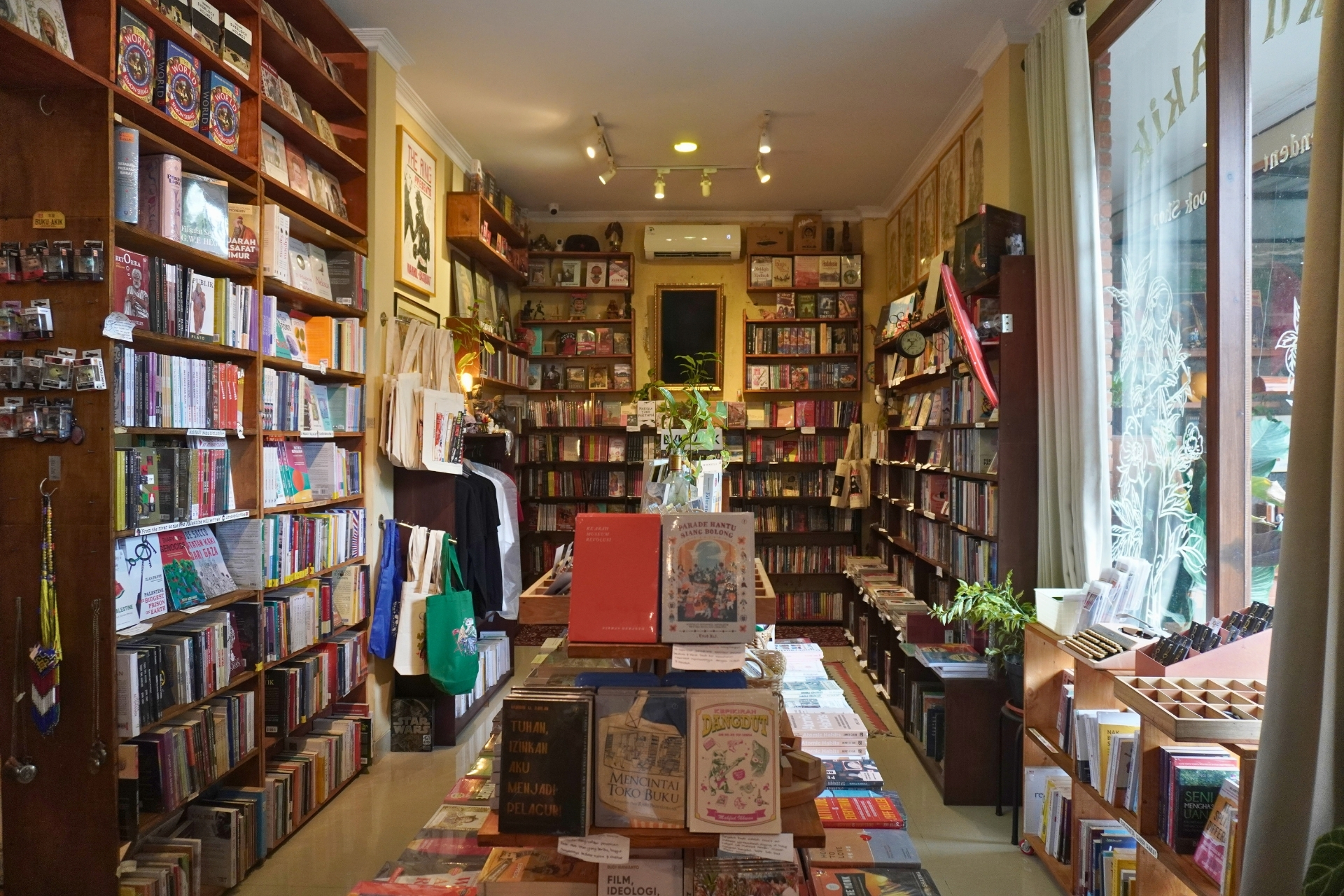
What would you like tourism organizations, municipalities, and economic development teams to better understand about the role independent bookshops can play in destination development?
I think it’s important to see these bookstores as community assets, not just retailers. They truly help create the kind of vibrant, walkable downtowns that people want to visit. They give people another reason to stop, stay longer, and come back again.
I mentioned this above, but they really are incredibly effective ambassadors. Booksellers spend their days talking to people and have a super-human ability to understand someone’s “vibe” and make recommendations they connect with. They put that power to good use recommending books, of course, but also they can also suggest places to eat, local attractions to visit, and other times of year when you should visit again.
When we talk about what makes a town memorable, it’s usually not one big attraction, you know? It’s the collection of small experiences that make you feel welcome. Indie bookstores can be—and often are—a huge part of that.
Planning a bookish road trip? Search independent shops at indiebookstores.ca.