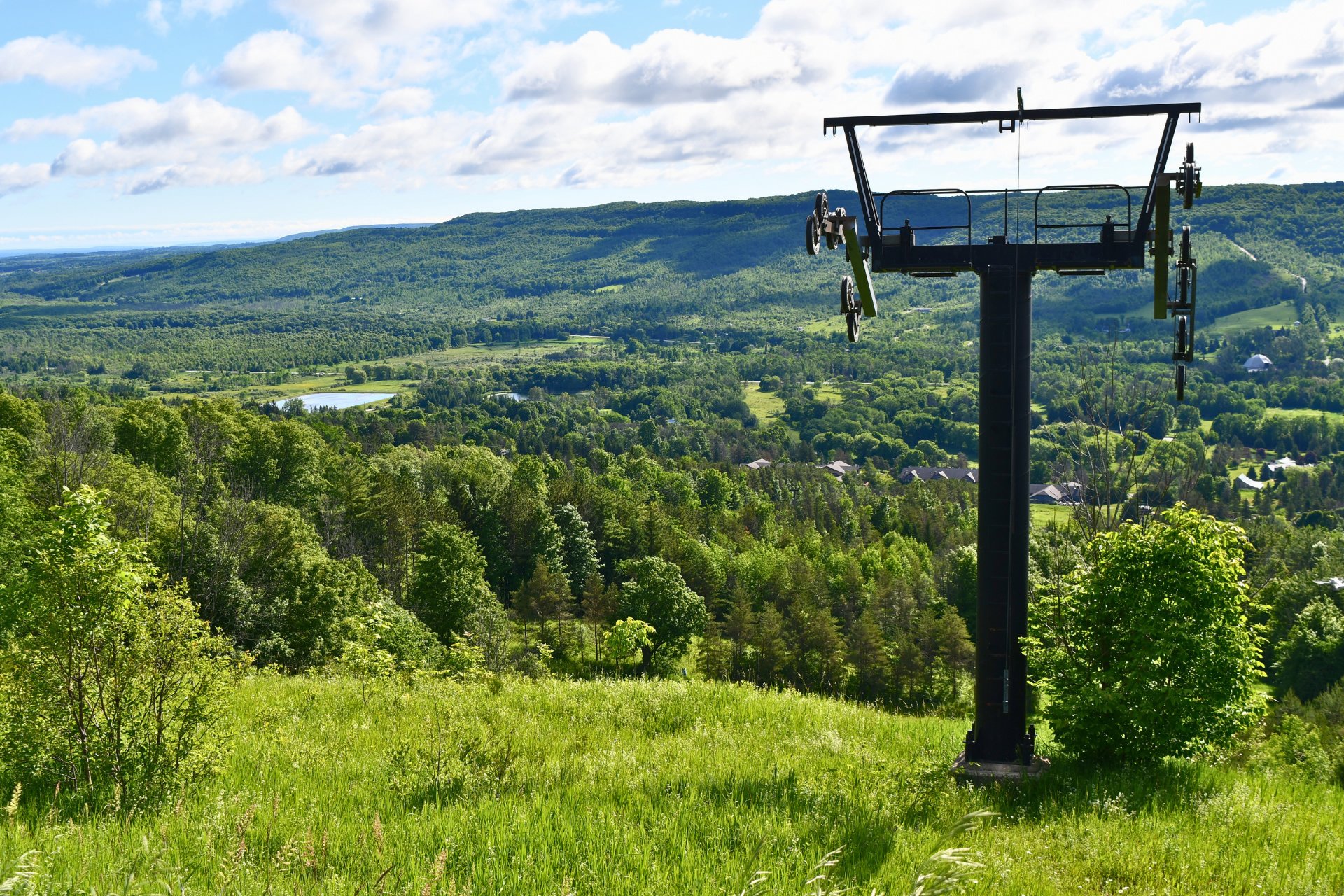
Editor’s note: On November 17, 2026, The Bruce Trail Conservancy announced the completion of the Talisman Forever campaign, raising their goal of $7.5 million to protect, restore, and steward Talisman Forest Nature Reserve in the Beaver Valley. “We are truly grateful to the Bruce Trail community, the people of Grey Highlands, and our many partners for helping us protect this beloved landscape forever.”
A once-beloved ski hill is becoming a forest nature reserve, thanks to the community members, donors, and conservationists who refused to stop caring.
By Kristina Smith
Long before Talisman became a conservation story, it was a place of memory.
Generations of people came to this quiet corner of the Beaver Valley to ski, hike, gather, celebrate, and look out across one of Ontario’s most beautiful landscapes. They learned to turn on its slopes, warmed up in its buildings, returned for weddings and honeymoons, and carried the name with them long after the lifts stopped running.
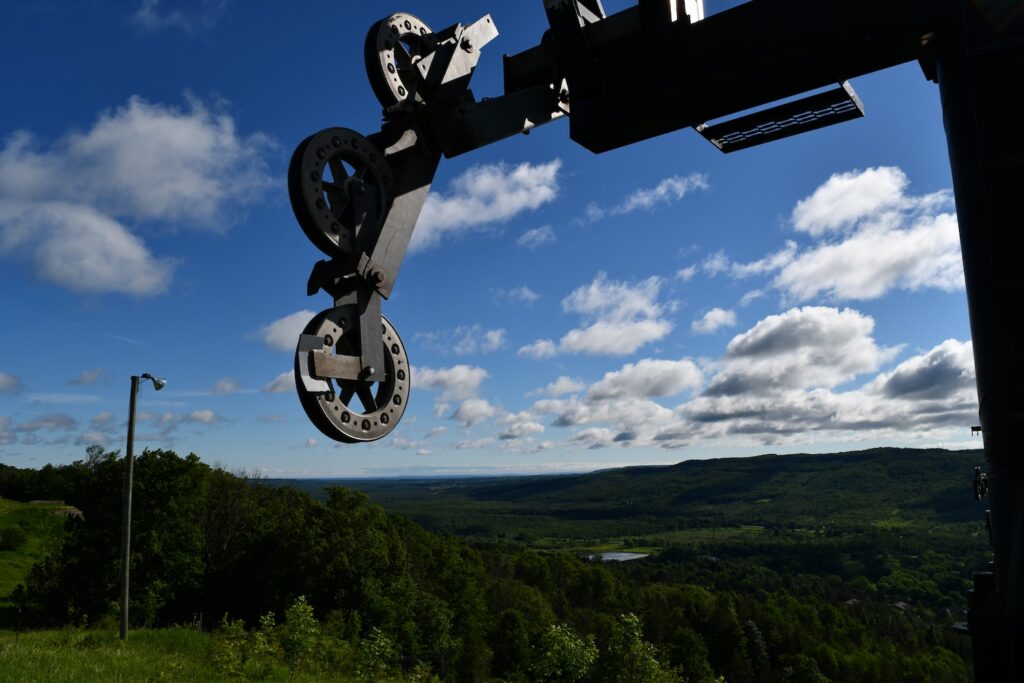
Then the resort closed, the buildings emptied, and nature began to do what nature does when given the chance. Grasses returned. Birds nested. Trees pushed up along the edges of the former ski runs. The slopes, once carved open for recreation, began slowly, imperfectly, beautifully, to soften.
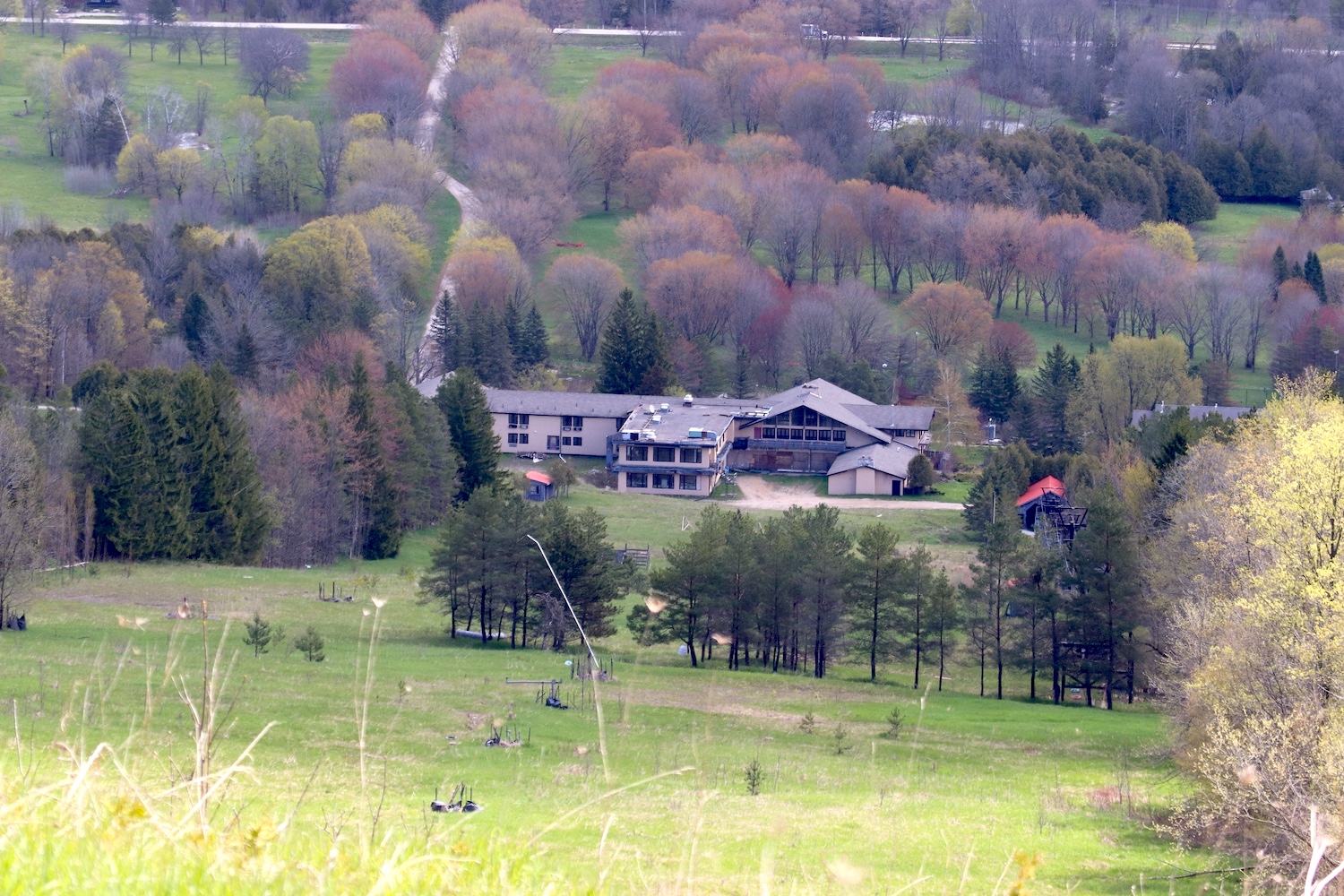
Now, after years of uncertainty, community concern, and conservation effort, a central piece of the former Talisman lands has entered a new chapter. The Bruce Trail Conservancy has acquired the Talisman Middlelands, creating the Talisman Forest Nature Reserve and protecting 134 acres along the Niagara Escarpment, including a long-standing section of the Bruce Trail.
For those who know the Beaver Valley, it is a remarkable win. For those who don’t, it is a reminder that community wellbeing is deeply tied to the health of the places we share.
At its heart, the Talisman story is not only about land protection. It is about what happens when a community recognizes that the health of a landscape and the health of the people who love it are inseparable. It is about memory, yes, but also responsibility. It is about what we choose to repair, to protect, and what we are willing to imagine when an old way of using a place no longer fits the world around it.
For Jane Pyper, who helped found the Protecting Talisman Lands Association and now sits on the board of the Escarpment Corridor Alliance, the story began in a personal way. She and her family had come to the Beaver Valley looking for a place outside the city and found themselves beside the former Talisman lands around 2013, when the resort was already sitting quiet and unused.
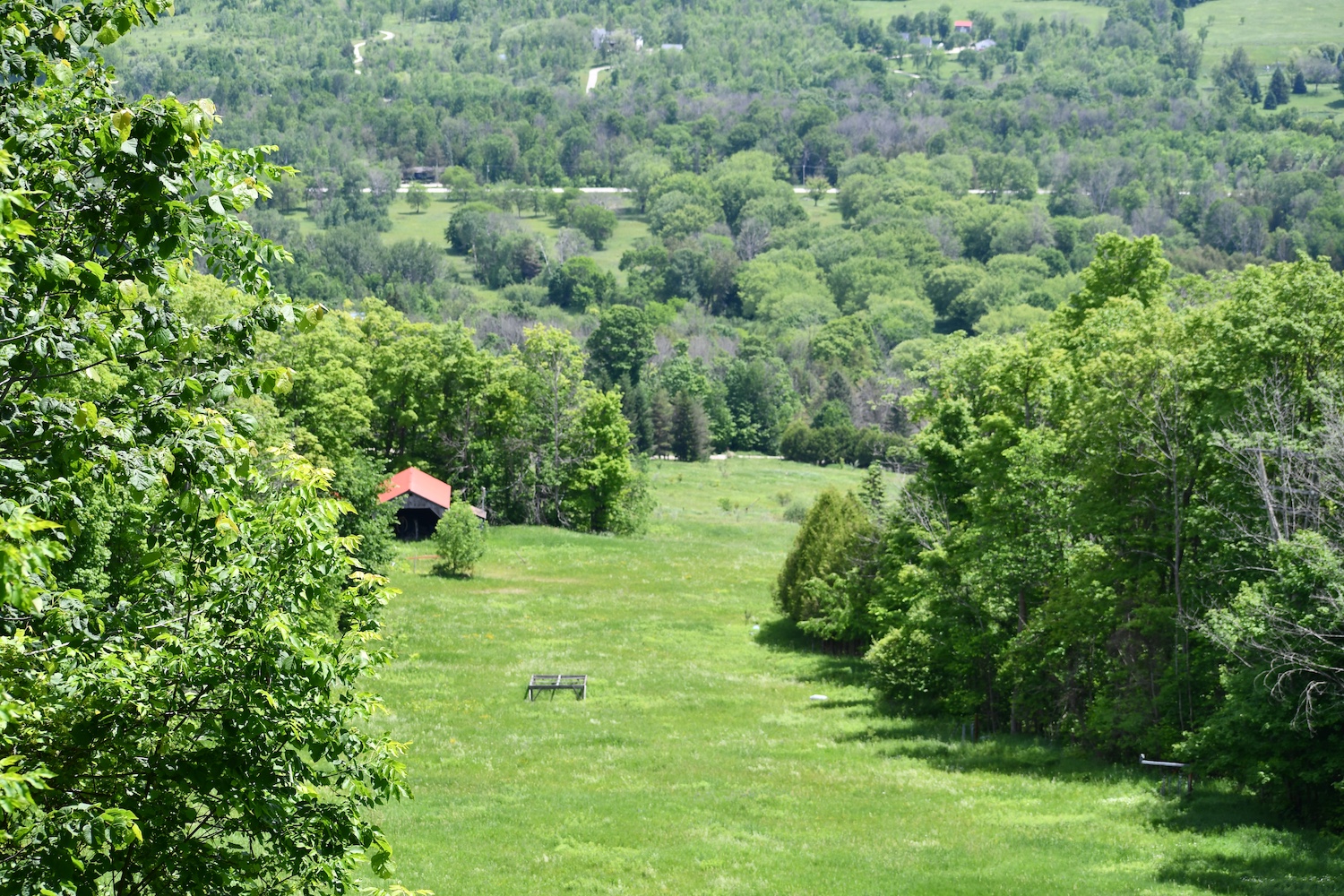
What she saw was not simply an abandoned property. She saw a landscape already beginning to change. The former golf course and ski lands were naturally regreening, with grasses, trees, meadowlarks, and bobolinks returning. People were walking their dogs, climbing the hill, cross-country skiing, and quietly treating the land as if another future were already possible.
“The climate had moved on and time had moved on,” Pyper says. The ski resort was not coming back, and to many in the community, the idea of a large housing development seemed increasingly out of step with what the Beaver Valley most needed to remain.
Pyper and three other women formed a small grassroots organization that became a focal point for community concern. They knocked on doors, dropped flyers, organized fundraisers, hired planners and lawyers, and held packed meetings in Kimberley Hall for people trying to understand what was being proposed and what might be lost.
The group found themselves in long council meetings and searching archives. But there was also something deeply hopeful in it. People who had not known one another came together because they loved the same place.
That is one of the most powerful parts of this story. The Talisman win did not arrive because a single person or institution decided, on its own, to save a piece of land. It came because local residents, environmental advocates, donors, land trusts, ecologists, planners, lawyers, volunteers, and community groups each took up part of the work.
Some wrote letters. Some organized meetings. Some shared information. Some gave money. A lot of money. Some brought decades of policy knowledge to the table. All simply refused to let the future of the Beaver Valley be decided quietly, without the people who loved it having a say.
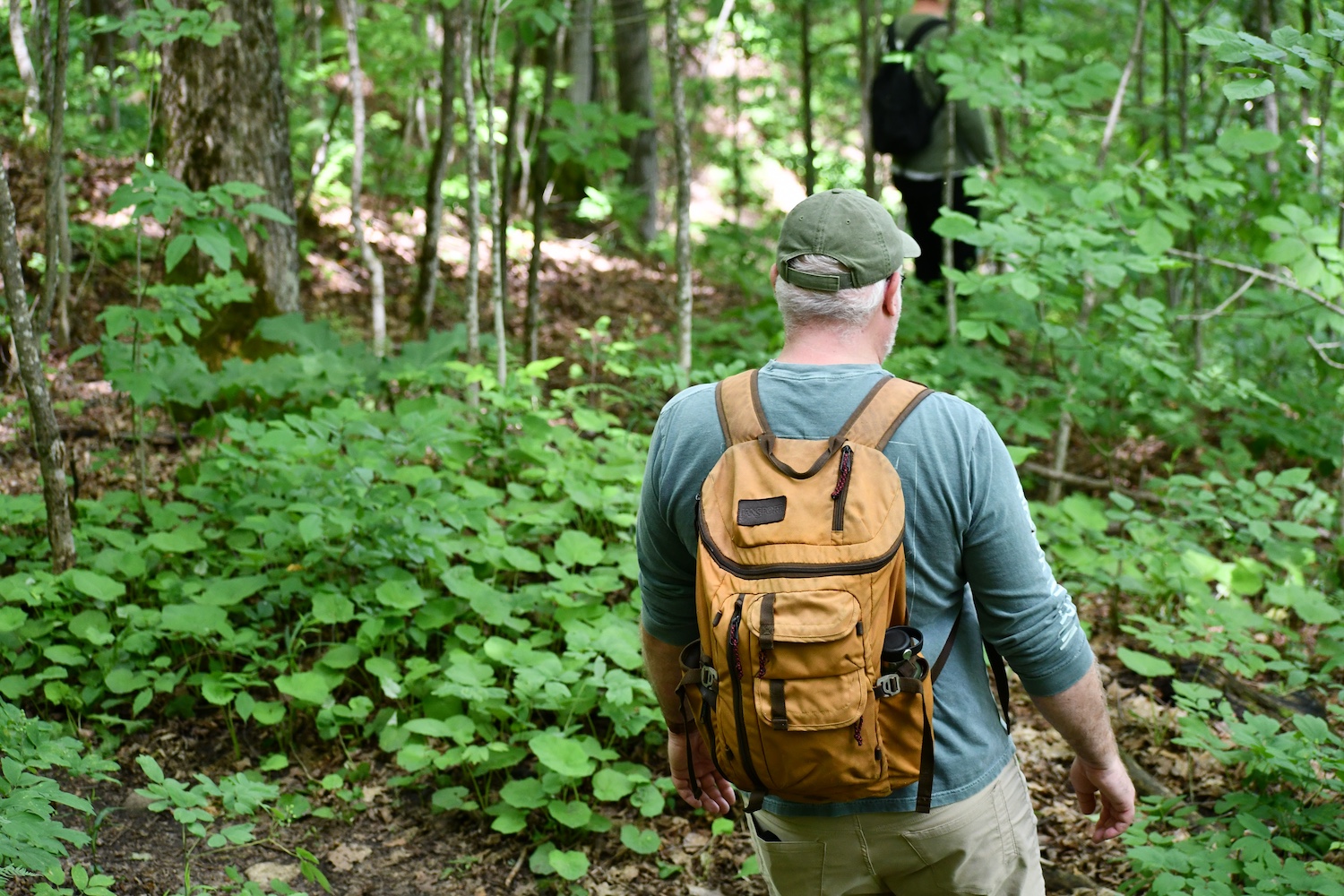
When the Bruce Trail Conservancy stepped forward to acquire the Middlelands, Pyper describes the feeling as “a day of elation.” It did not resolve every concern around the broader former Talisman property, where adjacent lands remain part of a continuing development conversation, but it did secure a significant and beloved piece of the landscape for the public, forever.
For Rob Leverty, president of the Niagara Escarpment Foundation, Talisman is part of a much longer story about the Beaver Valley and the importance of protecting what makes it exceptional. Leverty has lived in the area since 1973 and has been involved in Escarpment protection since the early years of the Niagara Escarpment Plan. His own introduction to local land-use battles came almost immediately after he bought his farm, when he learned that nearby land had been proposed for a Grey County garbage dump.
That proposal did not go ahead, and Leverty credits the Niagara Escarpment Act with helping prevent a decision he believes would have damaged the watershed and farmland around him. In the decades since, he has watched the Beaver Valley become greener in many ways, with more forest cover and a stronger understanding of the Escarpment as a continuous natural corridor. He has also watched development pressure grow.
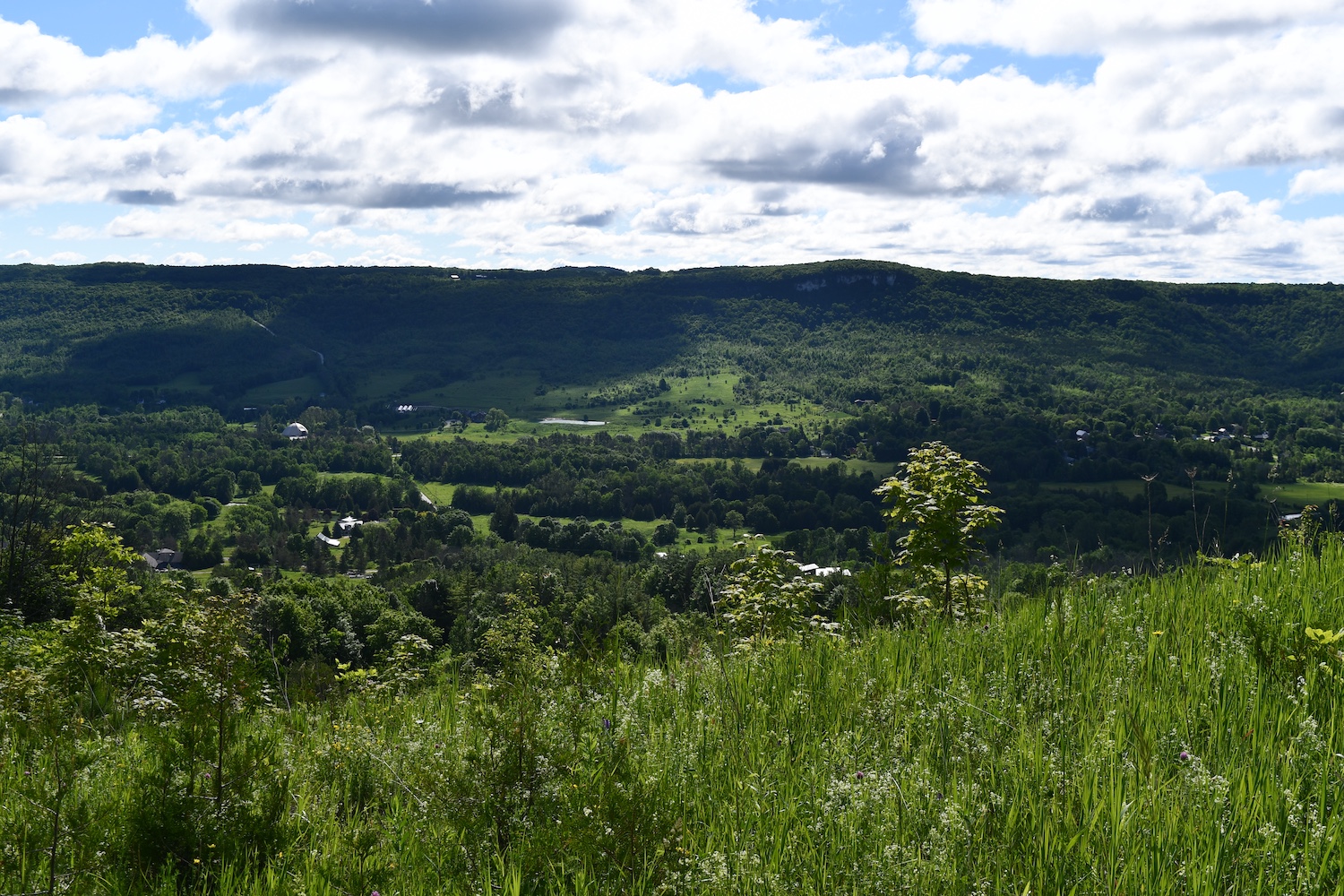
When Leverty talks about Talisman, he does not speak only about the view, though the view matters. He speaks about water, habitat, farmland, public access, wildlife movement, and the Beaver River. The Beaver Valley—part of a larger UNESCO World Biosphere Reserve—is a river valley, and what happens on its slopes does not stay on its slopes. Water flows down. Forest cover matters. So does the health of the river, the farms, the wildlife corridor, and the public access that allows people to move through the landscape and come to care for it.
As Leverty puts it, “Standing there, you realize it’s all interconnected.”
In a time of heavy rains, drought, wildfire smoke, and mounting development pressure, that kind of connected thinking feels increasingly urgent. The valley, Leverty says, must be protected for many reasons: habitat, clean water, nature-based tourism, and the quality of a place that draws people from beyond its borders.
That quality was not accidental. It is the result of decades of planning, advocacy, stewardship, and volunteer effort. It is also fragile. Landscapes can be loved for their beauty and still be taken for granted until something changes, or until someone points out what could disappear.
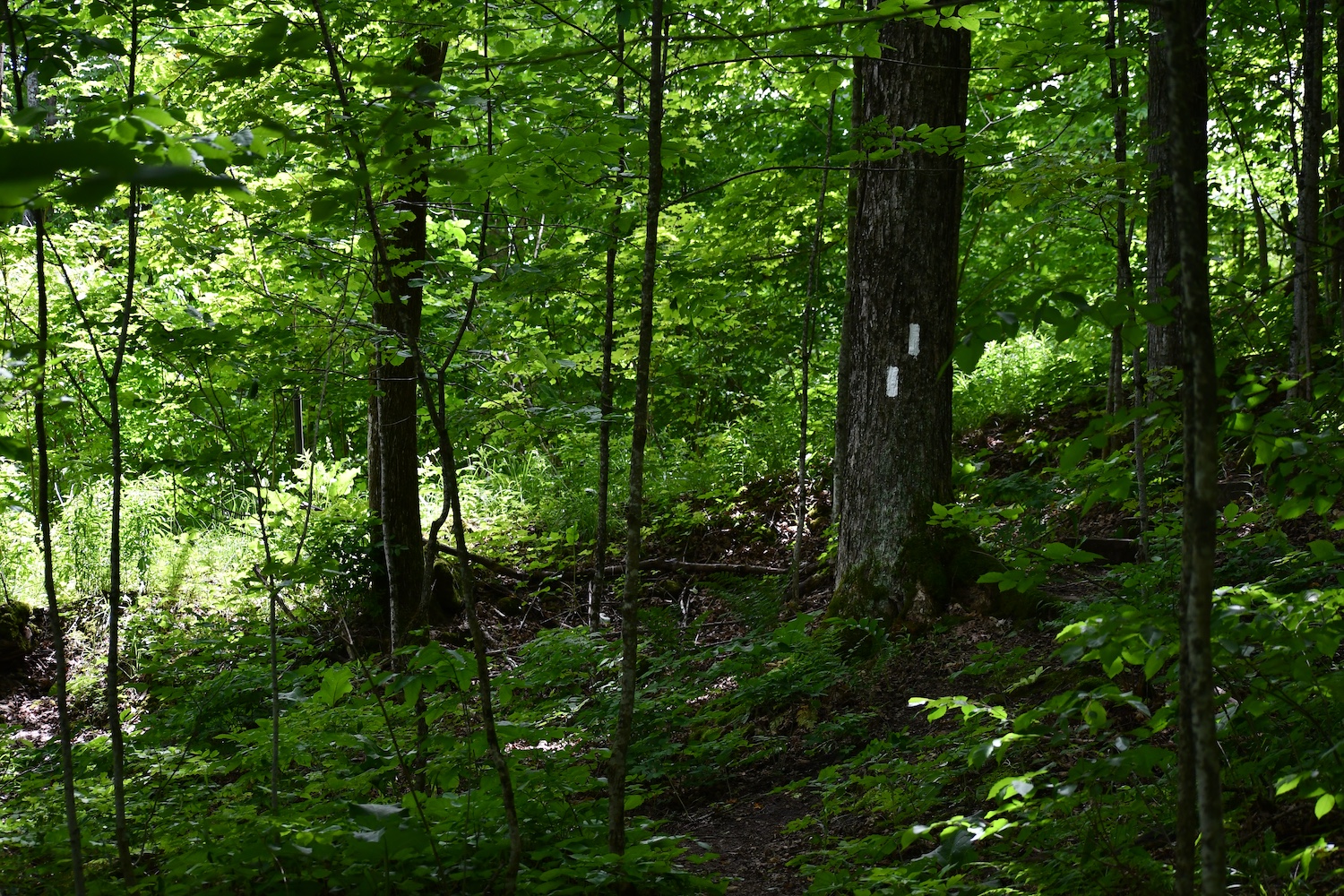
The Talisman story also arrives at a moment when many Ontarians have learned not to take environmental protection for granted. In recent years, the province’s Greenbelt controversy showed how quickly protected lands can become politically vulnerable, and how public pressure can still force a reversal. Against that backdrop, the safeguarding of the Talisman Middlelands feels both local and larger than local.
It is local because it belongs so specifically to the Beaver Valley: to Kimberley, to the Beaver River, to the western slopes of the Escarpment, to the people who learned to ski there or walked the dormant land while it slowly softened back toward meadow and forest. But it is larger than local because it offers a reminder that conservation is not passive. Landscapes are not protected by good intentions alone. They are protected because people notice, organize, donate, advocate, and refuse to let the future of a place be decided without them.
The Bruce Trail Conservancy’s acquisition of the Talisman Middlelands offers a different kind of possibility. Michael McDonald, the Conservancy’s Chief Executive Officer, describes the site as a beloved community asset, a place where people learned to ski, fell in love with winter, gathered with family, and made memories across generations. The opportunity now, he says, is not to close the book on those memories, but to begin a new chapter.
When the Conservancy had the chance to bring the lands into permanent protection, McDonald describes it as “a once-in-a-generation opportunity to help bring this piece back to nature.”
The idea is especially powerful because the former resort landscape still carries the shape of its previous life. Ski hills, by their nature, require openings in the forest. Runs are cleared. Infrastructure is built. Buildings, lifts, service areas, parking, and hard surfaces follow. What the Bruce Trail Conservancy can now do at Talisman is something rare: begin to undevelop a place.
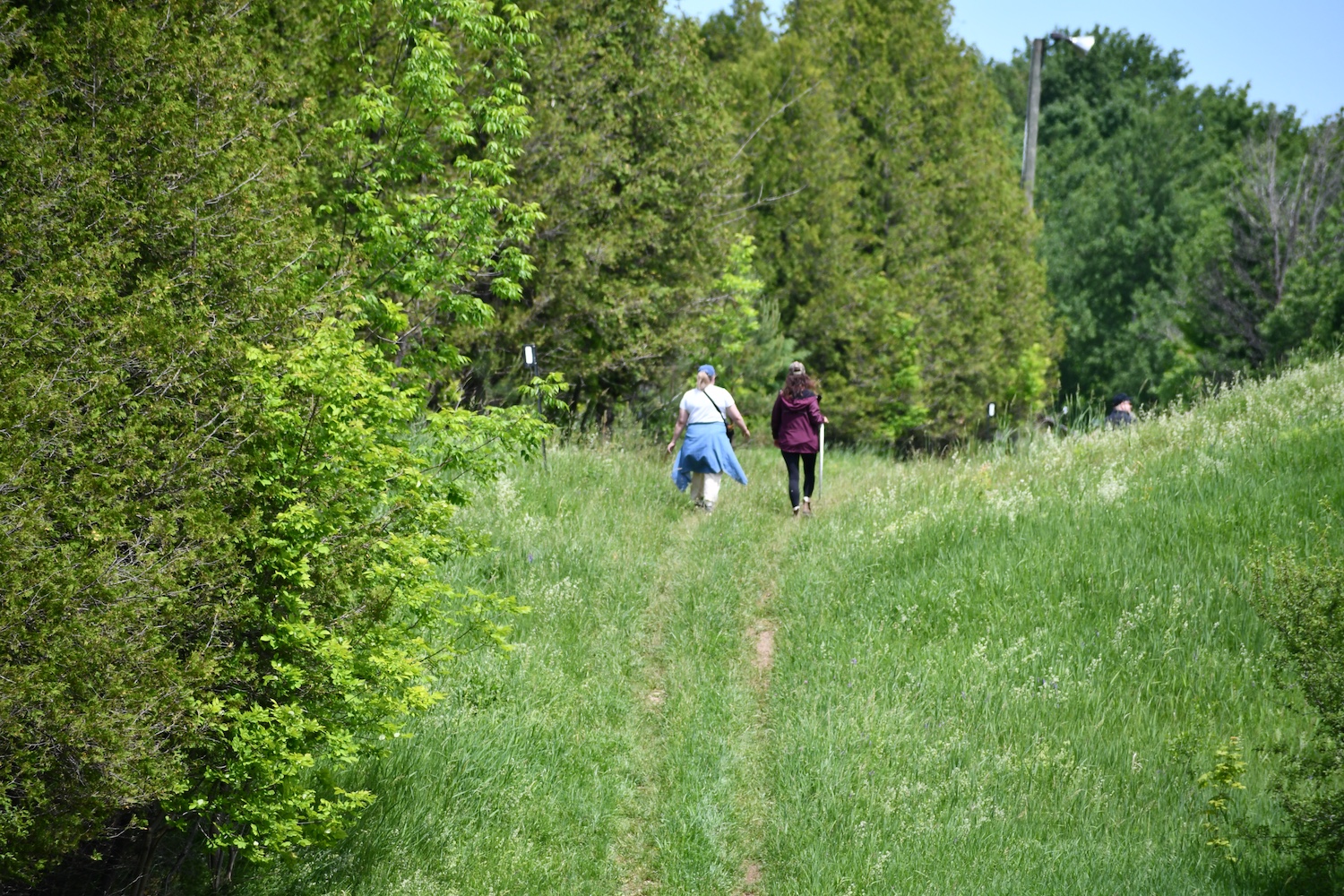
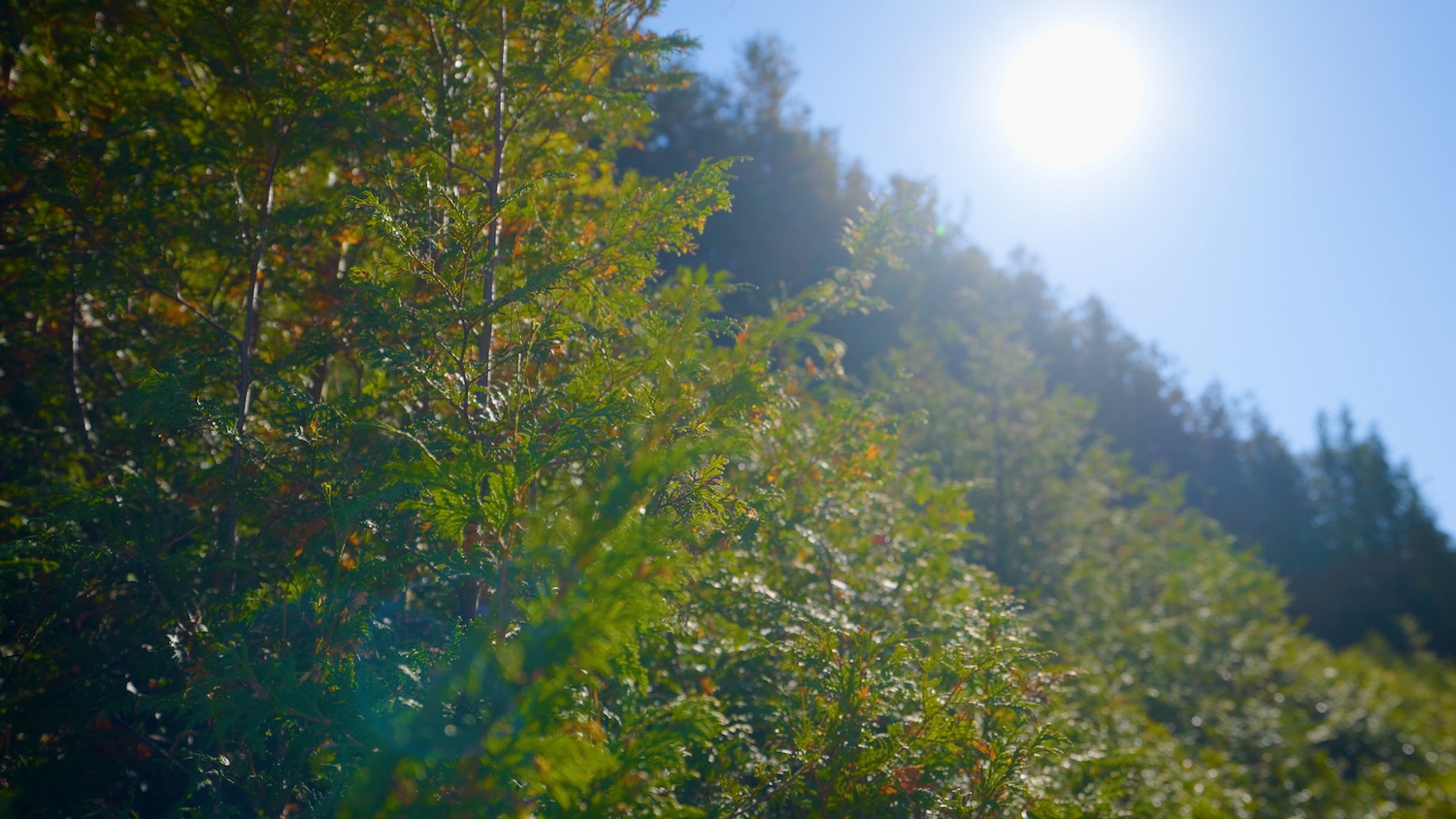
What happens next is where the story becomes especially exciting. Adam Brylowski, Director of Conservation and Trail for the Bruce Trail Conservancy, describes Talisman as the organization’s “most ambitious ecological restoration project” to date. Of the roughly 140-acre property, approximately 85 acres are open former ski slopes, creating an extraordinary opportunity to restore forest canopy, improve habitat, and strengthen the conservation corridor along the western side of the Beaver Valley.
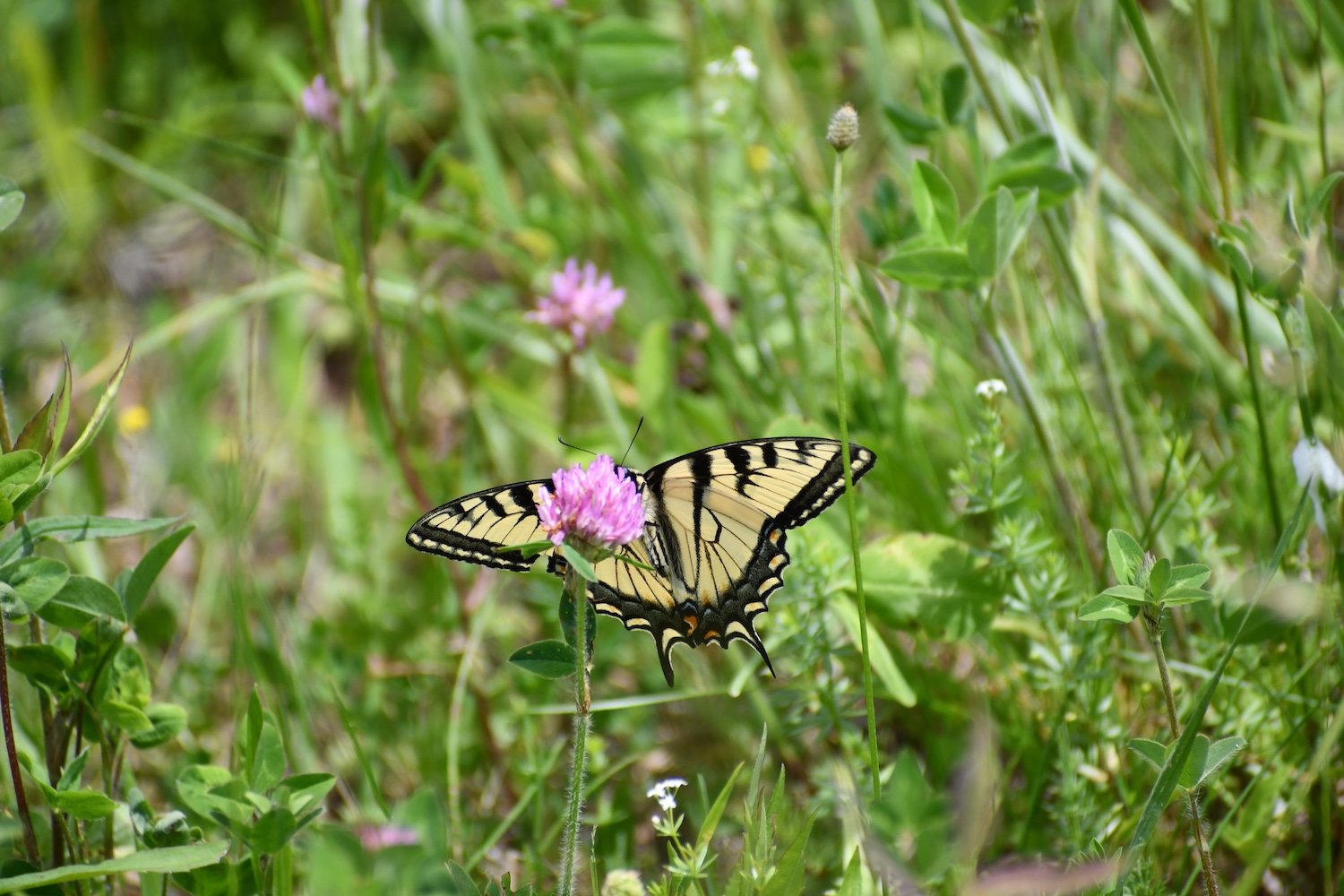
The work will not happen overnight. Ecological inventories are underway, with restoration expected to begin in spring 2027. Already, the team has found species at risk using the open areas, including bobolinks and eastern meadowlarks, which means part of the restoration will include grassland and meadow habitat as well as reforestation.
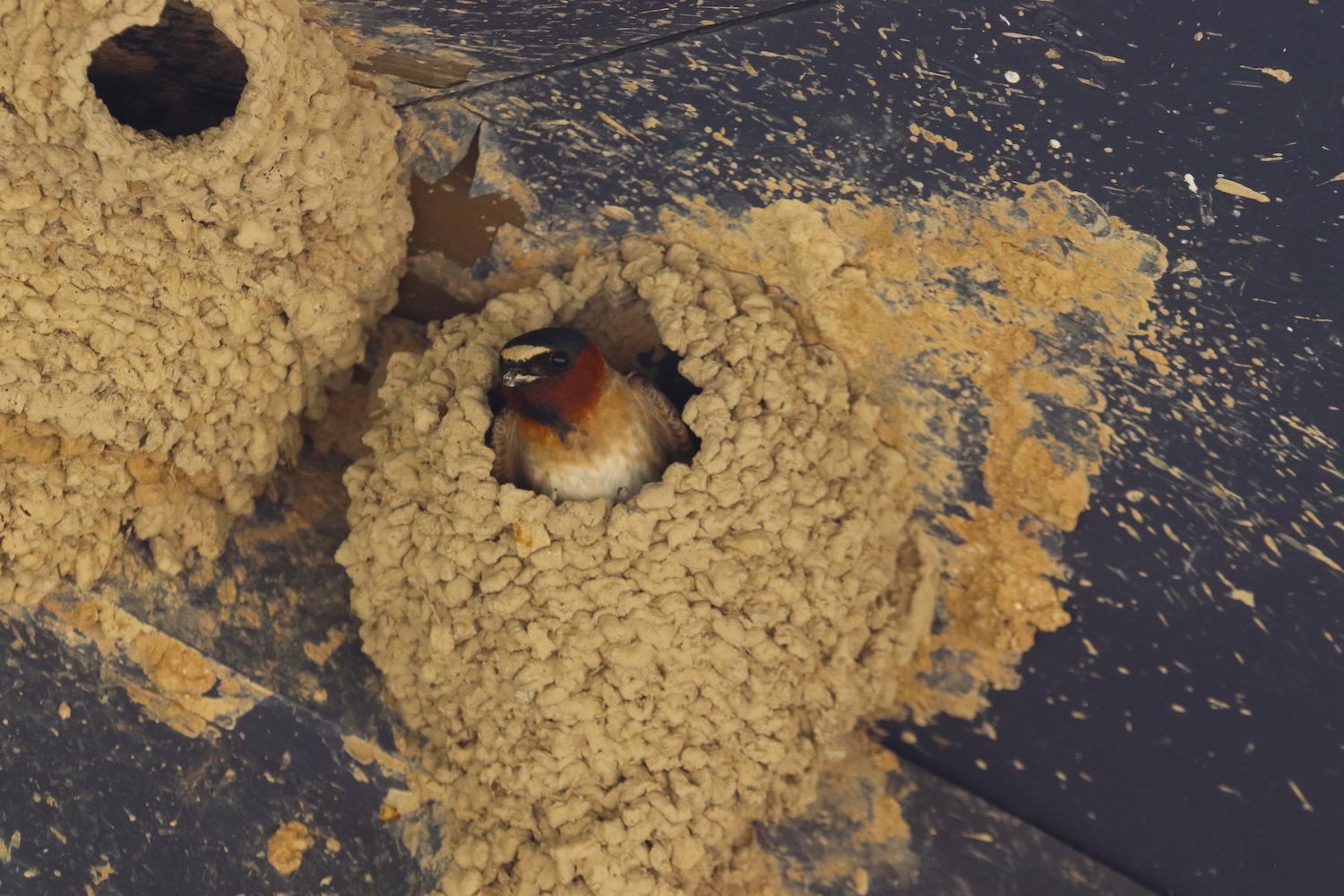
Barn swallows and cliff swallows nesting on old buildings will need to be carefully accommodated as deteriorating structures come down. Invasive Scots pine will be removed and replaced with native species. Over time, tens of thousands of trees may be planted.
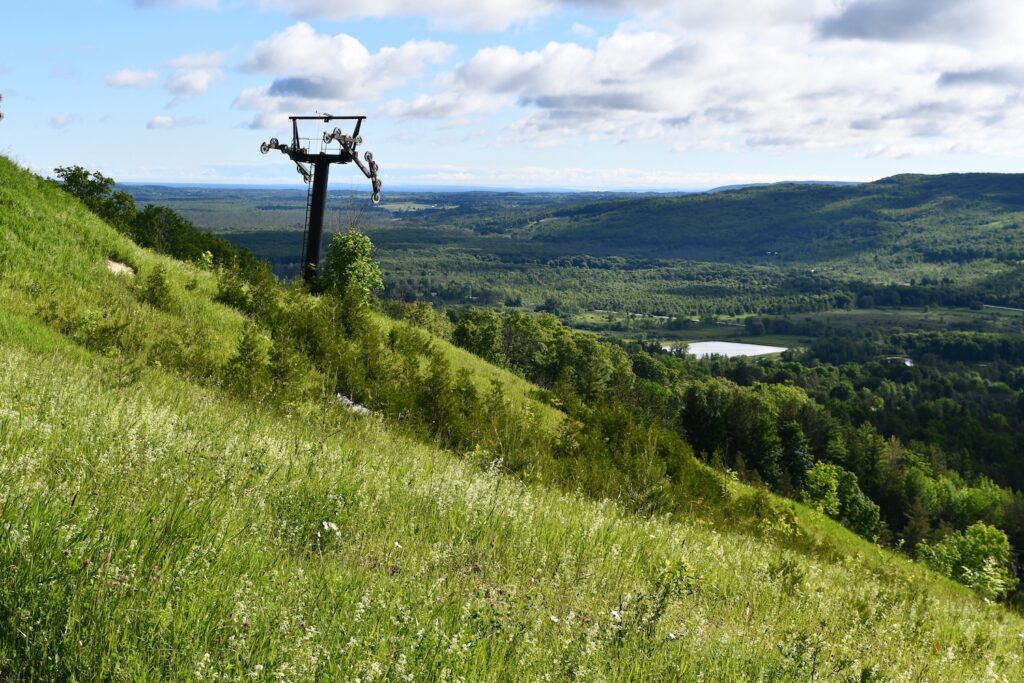
The goal is not to hide the past completely, but to help the land heal. The Bruce Trail runs along the top of the former ski hills, and the Conservancy is planning with trail users in mind, including preserving gaps in the future canopy so people can continue to experience the sweeping views across the valley.
Fifteen or 20 years from now, Brylowski says, the slopes may look entirely different. What was once a ski hill will be well on its way to becoming forest again.
That transformation will require more than good intentions. The Talisman Forever campaign is raising $7.5 million to purchase, restore, remediate, and steward the lands for the long term. Marsha Russell, VP of Fund Development at the Bruce Trail Conservancy, explains that the fundraising is not only about acquiring land. It is about taking care of it.
“We’re not the type of organization that secures it and leaves it,” she says. Donations help cover the purchase, the environmentally sensitive removal of derelict buildings and infrastructure, restoration planning, future stewardship, erosion control, planting, monitoring, and the ongoing work required to help Talisman Forest Nature Reserve thrive.
Russell also makes an important distinction. This is not a government project. It is the work of a public land trust, moved forward by donors, volunteers, community members, ecologists, land stewards, and people who believe that access to nature should be protected not only for today, but for generations still to come.
There is something deeply hopeful in that. At a time when climate change, development pressure, and political volatility can make environmental work feel overwhelming, Talisman offers a different kind of story. Not a simple one, and not a finished one, but a real one. A place was at risk. People cared. They organized. They kept going. And now, because of that work, a beloved landscape has a chance to breathe again.
For readers, the call to action is simple but meaningful: learn the story, support the restoration, and recognize that access to beautiful, living landscapes is not accidental. Places like this remain open, healthy, and shared because people choose to protect them.
Once, Talisman invited people outside for winter play. Now, it is inviting them into something deeper: a chance to help return a beloved place to nature, and to make sure future generations can stand on that same brow of the Escarpment and feel, all over again, what is possible when a community refuses to stop caring.
Photos courtesy Brooke Henry and the Bruce Trail Conservancy
